The Importance of Choosing the Right Cat Food

As a cat lover, you want nothing but the best for your feline companion. One of the most crucial ways to ensure their health and happiness is by choosing the right cat food. It’s not just about filling their bellies; it’s about providing them with the necessary nutrition to thrive.
Here’s why choosing the right cat food is so important:
1. Essential Nutrients for Optimal Health: Cats have unique dietary needs that require a balance of proteins, fats, vitamins, and minerals. The right cat food provides these essential nutrients in the right proportions to support their overall health, energy levels, and immune system.
2. Avoiding Harmful Ingredients: Some cat food brands may include ingredients that can be harmful to your furry friend. For example, certain artificial preservatives, such as BHA and BHT, have been linked to health issues in cats. By carefully reading the ingredients list, you can avoid these potentially dangerous additives.
3. Preventing Allergies and Digestive Issues: Just like humans, cats can develop allergies or sensitivities to certain ingredients. By choosing cat food with limited or hypoallergenic ingredients, you can help prevent uncomfortable symptoms like excessive scratching, digestive issues, or skin irritations.
4. Weight Management: Many cats struggle with weight issues, which can lead to various health problems. The right cat food can help maintain a healthy weight by providing the necessary nutrients without excessive calories. Look for cat food labeled with terms like “light” or “weight management” to support your pet’s weight goals.
5. Tailored to Life Stages: Cats have different nutritional requirements at different life stages. Kittens, adults, and senior cats all have specific needs when it comes to protein, fat, and energy levels. Choosing cat food specially formulated for their age ensures they get the right support for their growth, maintenance, or special needs.
Understanding Cat Food Ingredients
When it comes to feeding your beloved feline friend, it’s crucial to understand the ingredients in cat food. By knowing what goes into your cat’s meals, you can ensure they’re getting the nutrition they need to thrive.
- Protein is essential: Cats are obligate carnivores, which means they primarily need animal protein in their diet. Look for cat foods that list a high-quality source of animal protein, such as chicken or fish, as the first ingredient. This will help maintain their muscle mass and energy levels.
- Check for carbohydrates: While cats need some carbohydrates, they should be in small amounts. Too many carbohydrates can lead to weight gain and other health issues. Look for cat foods with ingredients like whole grains or vegetables as sources of carbohydrates.
- Avoid harmful ingredients: There are certain ingredients you should avoid when choosing cat food, as they can have adverse effects on your cat’s health. These include artificial preservatives, flavors, and colors. Check the ingredient list for any mention of these and opt for natural alternatives instead.
- Keep an eye out for allergens: Cats can be sensitive to certain ingredients, causing allergies or digestive issues. Common allergens include grains, dairy products, and certain types of meat. If your cat has any food sensitivities, choose a cat food that is specifically formulated for sensitive stomachs or allergies.
- Consider your cat’s life stage: Cats have different nutritional needs at various stages of their life. Kittens require food that supports their growth and development, while adult cats need maintenance diets. Older cats may benefit from food formulated for senior cats, addressing their specific needs.
Remember, every cat is unique, and what works for one might not work for another. It’s always a good idea to consult with your veterinarian to determine the best cat food for your furry friend.




So, now that you have a better understanding of cat food ingredients, you can make more informed choices for your cat’s well-being. Keep in mind their protein needs, avoid harmful ingredients, be mindful of allergens, and consider their life stage when selecting their food. Your cat will thank you for it with their purrs of contentment and good health.
Hidden Dangers in Cat Food Ingredients
When it comes to your beloved feline friend, you want nothing but the best. You diligently read labels and choose cat food that promises to provide the nutrients your cat needs. But did you know that some cat food ingredients can actually be harmful?
Artificial colors and flavors may make the food look and taste appealing to us, but they serve no nutritional purpose for your cat. In fact, these additives can cause allergic reactions and even behavioral issues in some cats. Opt for cat food that uses natural ingredients instead.
Chemical preservatives like BHA, BHT, and ethoxyquin are commonly used to extend the shelf life of cat food. However, research shows that these chemicals can be linked to health problems like cancer and kidney damage. Look for cat food that uses natural preservatives like vitamin E and vitamin C instead.
Grain-based fillers such as corn, wheat, and soy are often used in cat food to bulk it up and make it more cost-effective. However, cats are obligate carnivores, which means their bodies are designed to thrive on a diet rich in meat. These fillers offer little nutritional value and can lead to obesity and digestive issues in cats. Choose cat food that is grain-free or has high-quality, animal-based protein as the main ingredient.
By-products may sound harmless, but they can actually be a vague and low-quality ingredient in cat food. By-products can include things like beaks, feathers, and hooves, which are not ideal sources of nutrition. Look for cat food that uses named animal proteins, such as chicken or salmon, as the main ingredient.
Allergens can also be hidden in cat food ingredients. Cats can develop allergies to certain proteins like beef, dairy, or fish. If you notice your cat experiencing skin rashes, gastrointestinal upset, or excessive itching, consider switching to a cat food with a novel protein source, such as venison or duck.
Being aware of these hidden dangers in cat food ingredients can help you make informed choices for your furry companion. Remember, every cat is unique, so consulting with a veterinarian is always a good idea to ensure you are providing the best diet for your cat’s specific needs.
Artificial Additives and Preservatives: A Risk to Your Cat’s Health
When it comes to choosing the right cat food, it’s crucial to be aware of the ingredients. Some cat foods contain artificial additives and preservatives that can pose a risk to your beloved feline friend’s health. Here’s why you should be concerned:
- Artificial colors and flavors: Many cat foods on the market today are filled with artificial colors and flavors. These additives may make the food look more appealing to us, but they offer no nutritional benefits to your cat. In fact, they can cause allergic reactions and digestive issues.
- Chemical preservatives: Some cat foods use chemical preservatives to extend their shelf life. The most common ones are BHA, BHT, and ethoxyquin. While these preservatives may help the food stay fresh for longer, they have been linked to health problems in cats. For example, BHA and BHT have been associated with an increased risk of cancer.
- Grain-based fillers: Many low-quality cat foods use grain-based fillers such as corn, wheat, and soy. These fillers are inexpensive and help bulk up the food, but they offer little nutritional value to your cat. Cats are obligate carnivores, which means their bodies are designed to thrive on a diet primarily made up of meat. Grain-based fillers can lead to weight gain, digestive issues, and even allergies.
- By-products: Cat foods containing by-products are another concern. By-products are low-quality and less desirable parts of animals, such as organs, feathers, and hooves. While they may be a source of protein, they lack the essential nutrients that cats need to thrive. Opting for cat foods made with high-quality meats instead of by-products is a healthier choice for your cat.
As a cat lover, it’s important to scrutinize the ingredients list when selecting cat food. By avoiding artificial additives and preservatives, you can help safeguard your cat’s health and well-being. Remember, each cat is unique, so consulting with a veterinarian is always a good idea to ensure you’re making the best choice for your furry friend.


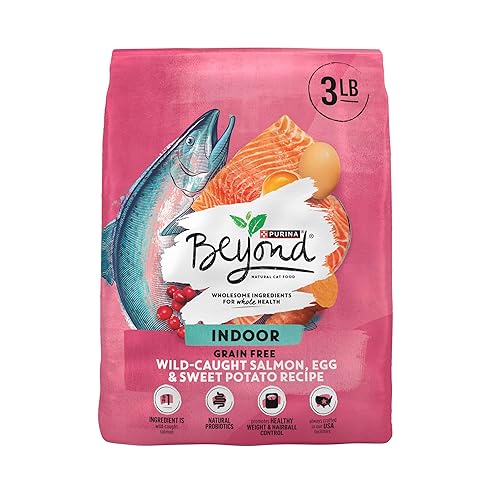

Low-Quality Fillers: Are They Harming Your Cat?
As a cat lover, you want to make sure that your furry friend is getting the best nutrition possible. That’s why it’s important to be aware of the ingredients in your cat’s food. One common ingredient that you should watch out for is low-quality fillers.
What exactly are these fillers? Well, they are ingredients that are used to bulk up the cat food without providing much nutritional value. They are often added to save costs and increase profit margins for pet food companies. But the problem is, these fillers can harm your cat’s health.
One type of low-quality filler often used in cat food is grain-based fillers. Cats are obligate carnivores, which means they need a diet high in animal protein. Grains like corn, wheat, and soy are not only low in nutritional value for cats, but they can also be difficult for them to digest. This can lead to digestive issues, allergies, and other health problems.
Another harmful filler to watch out for is by-products. By-products are the parts of animals that are not typically consumed by humans, such as organs, bones, and feathers. While they may provide some nutrients, they are generally considered lower quality protein sources compared to muscle meat. By-products can also contain unhealthy additives and contaminants.
So, how can you ensure that your cat is not being harmed by these fillers? The first step is to carefully read the ingredients list on the cat food packaging. Look for high-quality protein sources like chicken, turkey, or fish as the main ingredients. Avoid foods that list grains or by-products near the top of the list.
Additionally, it’s always a good idea to consult with a veterinarian for personalized advice on cat food choices. They can recommend a suitable diet based on your cat’s age, breed, and health condition.
Conclusion: Making Informed Choices for Your Cat’s Nutrition
When it comes to your cat’s nutrition, it’s crucial to make informed choices. As we’ve discussed in this article, certain ingredients in cat food can pose hidden dangers to your furry friend. Artificial colors and flavors, chemical preservatives, grain-based fillers, and by-products can all have negative effects on your cat’s health.
To ensure your cat stays healthy and happy, it’s important to carefully scrutinize the ingredients list on cat food packaging. Look for high-quality protein sources like chicken, turkey, or fish as the main ingredients. Avoid artificial additives and preservatives that can harm your cat’s well-being.
Remember, consulting with a veterinarian is always a wise decision. They can provide personalized advice on cat food choices based on your cat’s age, breed, and health condition. Your vet can guide you in selecting the right cat food that meets your cat’s nutritional needs.
By making informed choices and prioritizing your cat’s nutrition, you can help safeguard their health and well-being. Your furry friend deserves the best, so take the time to choose cat food that will keep them thriving.
Frequently Asked Questions
1. Why is it important to choose the right cat food?
Choosing the right cat food is crucial for the health and well-being of your cat. The wrong ingredients can be harmful and lead to various health issues.
2. What are the hidden dangers in certain cat food ingredients?
Certain cat food ingredients, such as artificial colors and flavors, chemical preservatives, grain-based fillers, and by-products, can be harmful to cats and cause health problems.
3. How can artificial additives and preservatives affect a cat’s health?
Artificial additives and preservatives in cat food can have adverse effects on a cat’s health. It is important to scrutinize the ingredients list and avoid these harmful components.
4. What should I look for in cat food ingredients?
When selecting cat food, read the ingredients list and look for high-quality protein sources like chicken, turkey, or fish as the main ingredients. Avoid grain-based fillers and by-products.
5. Should I consult a veterinarian for cat food advice?
Yes, consulting with a veterinarian for personalized advice on cat food choices based on your cat’s age, breed, and health condition is strongly recommended. They can guide you in making the best choices for your cat’s well-being.