As a cat owner, you want nothing but the best for your furry friend. But did you know that some common foods you enjoy could be harmful to your cat? Navigating what’s safe and what’s not can be tricky, especially with new information each year.
This year, staying informed about toxic foods is more important than ever to keep your cat healthy and happy. From everyday treats to unexpected surprises, knowing what to avoid can prevent serious health issues. Let’s dive into the key foods you should keep away from your beloved pet to ensure their well-being.
Common Toxic Foods for Cats
Certain foods can harm your cat’s health. Avoid these to keep your feline friend safe.
Chocolate
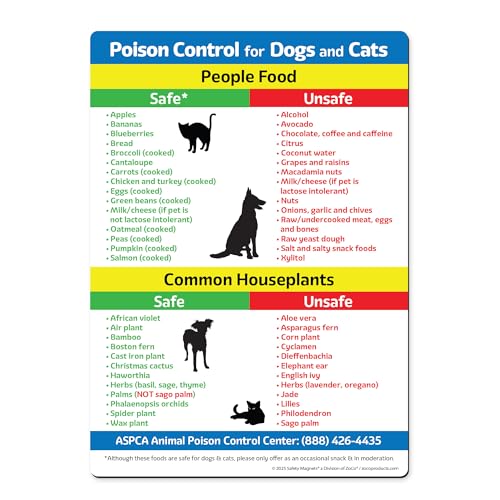
Chocolate contains theobromine and caffeine, which are toxic to cats. Even small amounts can cause vomiting, diarrhea, rapid breathing, and seizures. Dark chocolate and baking chocolate have higher levels of these harmful compounds. Keep all chocolate products out of your cat’s reach.
Onions and Garlic
Onions and garlic, in any form, damage your cat’s red blood cells. This can lead to anemia, weakness, and lethargy. Symptoms may include loss of appetite, vomiting, and increased heart rate. Avoid feeding your cat foods seasoned with onions or garlic, and check labels for hidden sources in processed foods.
Grapes and Raisins
Grapes and raisins can trigger kidney failure in cats. Symptoms include vomiting, lethargy, and dehydration within a few hours of ingestion. Even a few grapes can be dangerous. Keep all grapes and raisins away from your cat to prevent severe health issues.
Human Foods to Avoid
Protect your cat by keeping these foods out of their diet.
Dairy Products
Many cats can’t digest lactose. Feeding them milk or cheese can cause stomach upset, diarrhea, and vomiting. If your cat likes dairy, choose lactose-free alternatives instead.
Alcohol
Alcohol is toxic to cats, even in small amounts. It can cause vomiting, difficulty breathing, tremors, and can be fatal. Always keep alcoholic drinks out of your cat’s reach.






Caffeinated Beverages
Caffeine affects your cat’s nervous system. Drinks like coffee, tea, and energy drinks can lead to restlessness, rapid breathing, heart issues, and seizures. Make sure your cat doesn’t have access to any caffeinated beverages.
Recognizing Symptoms of Poisoning
If your cat eats something toxic, spotting the signs early can save their life. Watch for these key symptoms:
Vomiting and Diarrhea
Vomiting and diarrhea often show your cat is unwell. After eating toxic foods, their stomach tries to get rid of the harmful substance. You might see frequent trips to the litter box or your cat can’t keep food down. Look for signs of dehydration, like dry gums or sunken eyes.
Lethargy and Weakness
Lethargy and weakness mean your cat’s body is struggling. If your cat seems unusually tired or has trouble moving, poisoning might be the cause. A weak cat may ignore toys or sleep more than usual. This lack of energy shows vital organs are affected and needs quick attention.
Difficulty Breathing
Difficulty breathing is a serious sign of poisoning. If your cat is wheezing, coughing, or struggling to breathe, seek help immediately. Rapid or shallow breaths are also warning signs. Breathing problems indicate the toxic substance is affecting your cat’s respiratory system, which can lead to life-threatening issues.
Prevention and Safe Feeding Practices
Keeping your cat safe involves careful planning and storage. Follow these practices to ensure your feline friend stays healthy.
Safe Diet Planning
Choose high-quality commercial cat food to provide balanced nutrition. Avoid human foods that are toxic, like chocolate, onions, and grapes. Include proteins such as chicken, fish, and beef to meet your cat’s dietary needs. Consult your veterinarian to select the best diet for your cat’s age, weight, and health condition. Monitor your cat’s eating habits to ensure they receive necessary nutrients without exposure to harmful substances.
Proper Food Storage
Store cat food in airtight containers to keep it fresh and prevent contamination. Keep toxic foods out of reach by using high cabinets or childproof locks. Refrigerate perishable items promptly to avoid spoilage. Label storage areas clearly so everyone knows which foods are safe for your cat. Regularly clean storage spaces to eliminate any remnants that might attract your cat’s attention. Proper storage reduces the risk of accidental ingestion of harmful foods.
What To Do If Your Cat Eats Toxic Food
If your cat eats something toxic, act quickly to ensure their safety.
Identify the Poison
Determine what your cat consumed. Note the quantity and time of ingestion.


Contact Your Veterinarian
Call your vet right away. Share details about the toxic substance and your cat’s symptoms.
Follow Veterinary Instructions
Follow the vet’s advice carefully. Do not induce vomiting unless instructed.
Monitor Your Cat
Watch for changes in behavior. Look for signs like vomiting, lethargy, or difficulty breathing.
Provide Information
Give your vet information about the toxic food. Include packaging or ingredient lists if possible.
Transport Safely
Take your cat to the vet promptly. Use a secure carrier to keep them calm during transport.
Prevent Future Incidents
Store toxic foods out of reach. Keep harmful items secured to avoid accidental ingestion.
Conclusion
Keeping your cat safe starts with knowing which foods to avoid. By staying informed and careful about what you share with your furry friend you can ensure they lead a healthy and happy life. Always prioritize their well-being and consult your vet if you have any concerns. Your vigilance makes all the difference in keeping your beloved pet safe from potential dangers.