
Can cats forgive?

As a cat lover, you may have found yourself in a situation where you accidentally hit your cat. It can be a distressing experience, leaving you wondering if your beloved feline friend will ever forgive you. The good news is that cats have a remarkable ability to forgive and forget.
Cats have a unique way of perceiving the world around them. While they may react strongly to a sudden jolt or accidental touch, they don’t hold grudges like humans do. They live in the present moment, and their forgiveness is rooted in their instinctual nature rather than dwelling on past events.
Here are a few reasons why cats are so forgiving:
- Instinctual Behavior: Cats are naturally inclined to be forgiving. In the wild, they often encounter situations where accidents happen during play or hunting. These experiences have shaped their ability to quickly move on and maintain social harmony within their feline communities.
- Adaptive Nature: Cats are adaptable creatures. They understand that accidents can occur, especially when their human companions are trying to care for them. They recognize that you have their best interests at heart, and they don’t hold your actions against you.
- Non-Verbal Communication: Cats primarily communicate through body language and scent. When you show remorse for accidentally hurting your cat, they can pick up on your cues and understand that it was not intentional. Your genuine concern and affection can go a long way in rebuilding trust and strengthening your bond.
- Unconditional Love: Cats have an incredible capacity for love. They value the bond they share with their human companions and are willing to overlook mistakes. Your cat’s love for you is not easily swayed by a single accident but is built on a foundation of shared experiences, care, and affection.
Remember, just because your cat forgives you, it doesn’t mean there won’t be temporary changes in their behavior. They may become cautious or wary around you for a short period. Be patient, give them space, and continue to show them love and care. With time, your relationship will heal and strengthen.
So, if you accidentally hit your cat, take a deep breath. Your feline friend is likely to forgive you. The key is to learn from the experience, be mindful of your actions, and prioritize their well-being. Cats have a remarkable capacity for forgiveness, which allows us to maintain the loving bond we share with them.
How do cats perceive accidents?
As a cat lover, you may be wondering how your furry friend perceives accidents, especially if you accidentally hit them. Let’s delve into the fascinating world of a cat’s perspective and gain some insight.
1. Cats Don’t Understand Intentions: Cats don’t possess the same complex thought processes as humans. Therefore, if you accidentally hit your cat, they won’t attribute it to malice or intentional harm. Remember, cats don’t hold grudges like humans do.
2. Instinctual Reactions: Naturally, cats have reflexes that kick in when they experience sudden movements or pain. Your cat might yelp, run away, or swat defensively. These reactions are instinctive and not a reflection of any lasting negative emotions towards you.
3. They Rely on Non-Verbal Communication: Cats communicate primarily through body language and vocalizations. After an accident, your cat might exhibit changes in their behavior, such as hiding, avoiding eye contact, or acting more cautious. These are signs that they may need some space and time to process what happened.




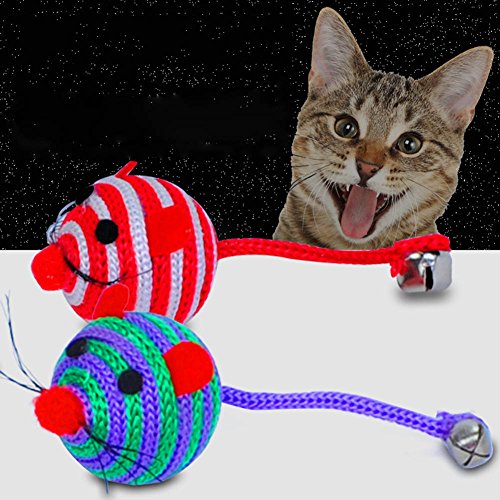
4. Importance of Rebuilding Trust: While your cat may not hold a grudge, it’s essential to rebuild trust. Show remorse by offering gentle gestures, like softly speaking to your cat or offering their favorite treats. Patience is key in helping your cat feel safe and secure again.
5. Cats Value Routine and Predictability: Cats thrive on routine, so maintaining a consistent and predictable environment can help reassure them. Stick to their regular feeding and playtime schedules to provide comfort and stability.
6. Patience and Understanding: Remember, it may take time for your cat to fully bounce back from an accident and regain their trust in you. Be patient, understanding, and offer them plenty of love and care during the healing process.
By understanding how cats perceive accidents, you can navigate the situation with empathy and compassion. Remember, accidents happen, but with patience, love, and understanding, you can rebuild trust and strengthen your bond with your beloved feline companion.
Understanding feline behavior
As a cat lover, it’s important to understand feline behavior, especially when accidents happen. Cats are different from humans, so their reactions may not be what you expect. Let’s dive into some key points that will help you gain a better understanding of your cat’s behavior:
1. Cats Don’t Hold Grudges
Unlike humans, cats don’t have the same capacity to hold grudges. When you accidentally hit your cat, it may be upset or scared in the moment, but it won’t resent you forever. Cats live in the present and don’t dwell on past events. They appreciate love and care, so your willingness to make amends will go a long way.
2. Non-Verbal Communication Matters
Cats rely on non-verbal communication to express their feelings. They use their body language, facial expressions, and vocalizations to convey their emotions. If your cat seems distant or avoids you after an accident, it’s likely a sign of fear or discomfort. Give your cat some space and observe their behavior. They may just need time to recover and feel safe again.
3. Trust Building Takes Time
After an accident, trust may have been shaken, but it can be rebuilt. Be patient and understanding with your cat during this healing process. Avoid forcing interactions or overwhelming them with attention. Instead, create a calm and safe environment by maintaining their routine and providing a quiet space for them to retreat to if needed. Show your cat love and care through gentle gestures, such as offering treats or playing with their favorite toys.
4. Routine and Predictability is Key
Cats thrive on routine and predictability. They feel secure when they know what to expect. Stick to regular feeding times, play sessions, and sleep routines. This will help your cat regain a sense of normalcy and stability, which can aid in rebuilding trust.
Remember, accidents happen, but what truly matters is how you respond and learn from them. By understanding feline behavior and responding with love and care, you can strengthen your bond with your feline companion.




Tips for reconciling with your cat
If you’re worried about whether your cat will hate you after an accident, don’t fret! Cats are resilient and forgiving creatures. Rebuilding trust may take time, but with patience and understanding, you can strengthen your bond with your feline friend. Here are some tips to help you reconcile with your cat after a mishap:
1. Give your cat space: After an accident, your cat might need some time alone to process what happened. Provide a quiet and safe space where they can retreat and feel secure. Avoid forcing interaction if they seem hesitant or scared.
2. Use positive reinforcement: Positive reinforcement is key when rebuilding trust. Reward your cat with treats, praise, and gentle strokes when they exhibit calm and relaxed behavior. This positive association will help them associate your presence with pleasant experiences.
3. Communicate non-verbally: Cats rely heavily on non-verbal communication, so pay attention to their body language. Use slow blinks, gentle head nods, and a calm tone of voice to convey your intentions and reassure them that you mean no harm.
4. Stick to a routine: Cats thrive on routine and predictability. Stick to their regular feeding, play, and sleep schedules to create a sense of stability. Familiarity will help them feel secure and rebuild trust more easily.
5. Offer play and enrichment: Engage in regular play sessions using their favorite toys. It helps to redirect their focus and build a positive association with you. Providing interactive toys and scratching posts can also keep them mentally stimulated and prevent any pent-up energy.
6. Be patient: Rebuilding trust takes time. Each cat is unique and may require a different amount of time to heal emotionally. Be patient and understanding throughout the process, allowing your cat to set the pace for reestablishing the bond between you.
Remember, cats don’t hold grudges like humans do. They appreciate love, care, and consistency. With time and effort, you can rebuild your relationship with your cat and create an even stronger bond. Keep in mind that seeking guidance from a veterinarian or animal behaviorist can provide additional support if needed. So, be gentle, be patient, and let the healing process unfold naturally.
Rebuilding trust with your cat
It can be heartbreaking when you accidentally hurt your cat, but remember, cats are forgiving creatures. With patience, understanding, and consistent effort, you can rebuild trust with your feline friend. Here are some tips to help you along the way:
Give Your Cat Space
After an accident, your cat may feel scared or vulnerable. Respect their need for space and allow them to retreat to a safe area where they feel comfortable. Avoid overwhelming them with attention, and let them come to you when they’re ready.
Use Positive Reinforcement
Reward your cat for positive behavior to help reinforce trust and create a positive association. Offer them treats, gentle strokes, or verbal praise when they approach you. This reminds them that they are loved and cared for.
Communicate Non-Verbally
Cats rely heavily on body language to communicate. Use soothing gestures like slow blinking, soft tones, and gentle movements to convey that you mean no harm. Avoid sudden movements or loud noises that can startle your cat and erode their trust.
Stick to a Routine
Cats thrive on routine, and a consistent schedule helps them feel secure. Stick to regular feeding, play, and cuddle times to provide stability. This familiarity will help your cat regain confidence and trust in you.
Offer Play and Enrichment
Engaging your cat in play is a great way to rebuild trust and strengthen your bond. Provide interactive toys, scratching posts, and climbing structures to keep them mentally stimulated and physically active. This will help redirect their focus away from the past and onto positive experiences.
Be Patient
Rebuilding trust takes time. Be patient and understanding with your cat’s progress. Respect their pace and allow them to set the terms for rebuilding the trust. Remember, they don’t hold grudges and appreciate love, care, and consistency.
Seeking guidance from a veterinarian or animal behaviorist can also be beneficial. They can provide additional strategies and support tailored to your cat’s specific needs.
Remember, accidents happen, but with time, effort, and love, you can regain the trust of your beloved feline companion. Keep working on the bond and cherish the special connection you share with your cat.
Conclusion
Remember, accidents happen, and it’s natural to feel guilty if you accidentally hurt your cat. However, it’s important to understand that cats are forgiving creatures. Rebuilding trust with your feline friend is possible with time, effort, and love.
Give your cat the space it needs to heal emotionally. Respect its boundaries and allow it to come to you when it’s ready. Use positive reinforcement to encourage positive behaviors and create a safe and loving environment. Communicate with your cat through non-verbal cues, such as gentle petting and eye contact.
Stick to a routine to provide a sense of security and stability. Offer play and enrichment activities to keep your cat engaged and happy. Most importantly, be patient. Rebuilding trust takes time, but with consistent effort, your cat will come to trust and love you again.
Remember, if you’re struggling or unsure, don’t hesitate to seek guidance from a veterinarian or animal behaviorist. They can provide professional advice tailored to your specific situation.
Accidents happen, but with patience, understanding, and a commitment to rebuilding trust, you can mend your relationship with your cat and create an even stronger bond.
Frequently Asked Questions
Q: How can I reconcile with my cat after an accident?
A: Give your cat space, use positive reinforcement, communicate non-verbally, stick to a routine, offer play and enrichment, and be patient. Seeking guidance from a veterinarian or animal behaviorist is also recommended.
Q: Are cats forgiving creatures?
A: Yes, cats are forgiving creatures.
Q: Should I use positive reinforcement?
A: Yes, using positive reinforcement is important when reconciling with your cat.
Q: How can I communicate non-verbally with my cat?
A: Communicate non-verbally with your cat by using body language, gentle touches, and calm demeanor.
Q: Is sticking to a routine important?
A: Yes, sticking to a routine helps in rebuilding trust with your cat.
Q: Is offering play and enrichment helpful?
A: Yes, offering play and enrichment helps in reestablishing the bond with your cat.
Q: What if my cat takes time to trust me again?
A: Be patient. Trust takes time to rebuild, and every cat is different. Give your cat the space and time they need.
Q: Should I seek professional help?
A: It is recommended to seek guidance from a veterinarian or animal behaviorist for a more personalized approach.
Q: Can trust be regained after an accident?
A: Yes, accidents happen, but with time, effort, and love, trust can be regained.


