
The Risks of Fleas for Cats

As a cat lover, you know how important it is to keep your furry friend healthy and happy. Unfortunately, fleas can pose a serious risk to your cat’s well-being. Here are some reasons why fleas are a concern for cats:
1. Infestation:
Fleas reproduce rapidly, and if left unchecked, can quickly lead to a full-blown infestation. A single adult flea can lay up to 50 eggs per day, which means that a few fleas can quickly become hundreds or even thousands.
2. Itching and Discomfort:
Fleas are not only annoying but can also cause intense itching for your cat. Cats are highly sensitive to flea saliva, and even a single bite can trigger an allergic reaction, resulting in constant scratching, hair loss, and skin irritation.
3. Anemia:
Severe flea infestations can lead to anemia in cats, especially in kittens or cats with compromised immune systems. Fleas feed on your cat’s blood, which can eventually lead to a decrease in red blood cell count, causing weakness, lethargy, and pale gums.
4. Disease Transmission:
Fleas are known for transmitting various diseases to cats. One such disease is called “cat scratch fever,” caused by Bartonella bacteria, which can be transmitted to cats through flea feces. This bacterial infection can cause fever, swollen lymph nodes, and overall sickness in cats.
5. Tapeworm Infestation:
Fleas can also serve as intermediate hosts for tapeworms. When cats groom themselves and accidentally ingest fleas, they can become infected with tapeworms. These parasites can lead to weight loss, changes in appetite, and irritation around the anus.
6. Flea Allergy Dermatitis (FAD):
Some cats are allergic to flea saliva, and even a single flea bite can trigger an allergic reaction known as Flea Allergy Dermatitis (FAD). This condition causes intense itching, hair loss, redness, and secondary skin infections.
To protect your cat from these risks, it’s essential to take preventative measures to keep fleas at bay. Regularly inspect your cat’s fur for fleas, use flea control products recommended by your veterinarian, and keep your cat’s environment clean and well-maintained.
Remember, prevention is key to keeping your beloved cat itch-free and healthy.




Understanding Flea Collars
As a cat lover, you want to keep your feline friend safe and protected from pesky fleas. One popular option for flea control is using flea collars. But are flea collars safe for cats? Let’s delve into the topic and find out.
What are flea collars?
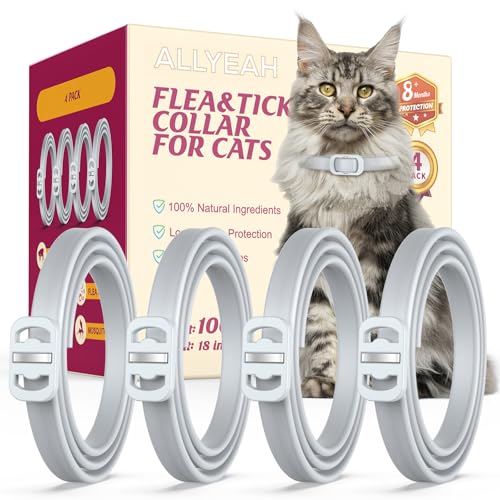
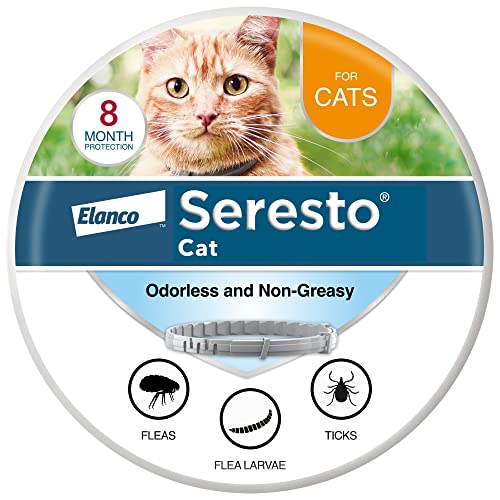
Flea collars are specialized collars designed to repel and kill fleas on cats. They are worn around your cat’s neck and release insecticides that target fleas. These collars work by emitting chemicals that either repel fleas or kill them upon contact.
How do flea collars work?
Flea collars contain active ingredients that work to eliminate fleas. These ingredients can include chemicals such as pyrethroids or imidacloprid. Pyrethroids are insecticides that attack the nervous system of fleas, while imidacloprid disrupts the fleas’ nervous system.
Are flea collars safe for cats?
When used correctly and according to the manufacturer’s instructions, flea collars are generally safe for cats. However, it’s important to choose a flea collar that is specifically labeled for use on cats and not dogs. This is because some flea collars designed for dogs may contain higher concentrations of insecticides that could be harmful to cats.
Potential risks and considerations
While flea collars can be effective in controlling fleas, it is essential to consider potential risks and take precautions:
- Some cats may be sensitive or allergic to the chemicals in flea collars, which can cause skin irritation or other adverse reactions. If you notice any unusual symptoms, such as excessive scratching or redness around the collar area, consult your veterinarian.
- It’s crucial to regularly check your cat for any signs of discomfort or irritation while wearing a flea collar. If you notice any discomfort, remove the collar immediately and consult with your vet.
- It’s important to use flea collars as directed and avoid using multiple flea control products simultaneously. Combining treatments without professional guidance can increase the risk of adverse reactions in your cat.
- Remember that every cat is unique, so it’s best to consult your veterinarian to determine the most suitable and safe flea control options for your feline friend.
Examining the Safety Concerns
As a cat lover, you are committed to providing the best care for your furry friend. When it comes to flea control, you want to ensure that the products you use are safe and effective. While flea collars are a popular option, it’s important to address the safety concerns associated with them.
Allergic Reactions: Some cats may develop allergic reactions to the ingredients in flea collars. These reactions can manifest as itching, redness, swelling, or even hair loss. If your cat exhibits any of these symptoms after wearing a flea collar, it’s important to remove it immediately and consult your veterinarian for alternative options.
Discomfort and Irritation: While most cats tolerate flea collars well, some may find them uncomfortable or irritating. This can lead to excessive scratching, restlessness, or agitation. If you notice any signs of discomfort, consider trying a different type of flea control method, such as topical treatments or oral medications.
Toxicity concerns: Flea collars work by releasing insecticides that repel and kill fleas. While these insecticides are generally safe for use on cats, it’s important to choose a flea collar specifically labeled for use on felines. Never use a flea collar designed for dogs on your cat, as they may contain higher concentrations of chemicals that can be toxic to cats.
Children and Other Pets: If you have children or other pets in your household, it’s crucial to consider their safety as well. Some flea collars may contain chemicals that can be harmful if ingested. Ensure that the flea collar is properly fitted on your cat to prevent accidental ingestion by curious children or other animals.



Consulting Your Veterinarian: Ultimately, the safety and well-being of your cat should be your top priority. If you have any concerns about the use of flea collars or if your cat has specific health conditions, it is always best to consult your veterinarian. They can provide you with the most suitable flea control options for your cat’s individual needs.
Remember, while flea collars can be an effective tool in the battle against fleas, it’s important to be aware of the potential safety concerns. By being proactive and informed, you can make the best decisions for your cat’s health and happiness.
Potential Dangers of Flea Collars for Cats
When it comes to keeping our feline friends safe from pesky fleas, we want to make sure we’re making the right choices. While flea collars may seem like a convenient option, it’s important to be aware of the potential dangers they can pose to our beloved cats.
Here are some key points to consider:
- Allergic reactions – Cats can be sensitive creatures, and some may develop allergies to the chemicals found in certain flea collars. As a result, wearing these collars can lead to skin irritations, itching, and discomfort for your furry friend.
- Toxicity concerns – Not all flea collars are created equal, and some may contain ingredients that are toxic to cats. It’s crucial to choose flea collars specifically labeled for use on cats, as products designed for dogs can contain higher concentrations of chemicals that can be harmful to our feline companions.
- Safety risks to children and other pets – If you have children or other pets at home, it’s important to consider their safety as well. Some flea collars may contain chemicals that are harmful if ingested or touched, posing a risk to curious children or other animals who may come into contact with the collar.
- Discomfort and irritation – Flea collars can sometimes cause discomfort and irritation for cats, particularly if they are poorly fitted or restrict their natural movements. It’s essential to ensure that the collar is the right size and properly adjusted to avoid any unnecessary discomfort for your furry friend.
When it comes to protecting your cat from fleas, it’s important to prioritize their safety and well-being. If you’re concerned about the potential dangers of flea collars, it’s always a good idea to consult with your veterinarian for alternative flea control options that are safer for your cat.
Remember, being an informed and responsible pet owner means making choices that keep our beloved cats happy, healthy, and free from the irritations of fleas.
Alternatives to Flea Collars
When it comes to keeping your furry friend safe from fleas, there are alternatives to using flea collars. These options can be just as effective in preventing and treating fleas while providing a safer and more comfortable experience for your beloved cat. Here are a few alternatives to consider:
1. Topical Treatments
Topical treatments, such as spot-on treatments, are a popular alternative to flea collars. These treatments are applied directly to your cat’s skin, usually between the shoulder blades, and work by killing fleas on contact. They provide long-lasting protection, often for up to a month, and are available in both prescription and over-the-counter options. Make sure to follow the instructions carefully and only use products labeled for use on cats.
2. Oral Medications
Another effective alternative is oral medications. These are in the form of tablets or chews that are ingested by your cat. The medication then circulates in your cat’s bloodstream, killing fleas when they bite. Oral medications are easy to administer and can provide continuous protection for up to several months. However, it’s important to consult with your veterinarian to select the proper medication and dosage for your cat.
3. Flea Shampoos and Dips
Flea shampoos and dips can be a great option, especially for cats with heavy flea infestations. These products are applied during bath time and help kill fleas on contact. The effects are temporary, usually lasting a few days, but can provide immediate relief for your cat. Remember to choose a cat-specific flea shampoo and follow the instructions carefully to ensure effectiveness and safety.
4. Flea Combs
For a more hands-on approach, using a flea comb can help remove fleas and their eggs from your cat’s fur. Gently combing through your cat’s coat can help prevent flea infestations and decrease the number of fleas on your cat. Make sure to comb in the direction of hair growth and periodically dip the comb in soapy water to drown the fleas. While this method may not be as effective as other alternatives, it can be used in conjunction with other flea control methods.
Conclusion
When it comes to the safety of your feline friend, it’s important to consider alternatives to flea collars. This article has explored various options that can effectively prevent and treat fleas while providing a safer and more comfortable experience for your cat.
Topical treatments, oral medications, flea shampoos and dips, and flea combs are all viable alternatives to flea collars. These options allow you to tailor the treatment to your cat’s specific needs and preferences. Remember to always follow the instructions provided and consult with your veterinarian to ensure the proper use of these alternatives.
By exploring these alternatives, you can find a solution that works best for your cat and gives you peace of mind knowing that you’re taking their safety into consideration. So, say goodbye to flea collars and hello to safer alternatives for your beloved feline companion.
Frequently Asked Questions
Q: Are there alternatives to using flea collars for cats?
A: Yes, there are several alternatives to using flea collars for cats. These include topical treatments, oral medications, flea shampoos and dips, and flea combs. These options provide effective flea prevention and treatment while being safer and more comfortable for cats.
Q: How do topical treatments work?
A: Topical treatments are applied directly to the skin of the cat, usually between the shoulder blades. They contain ingredients that kill fleas and prevent their reproduction. Topical treatments are easy to use and provide long-lasting protection against fleas.
Q: What are oral medications for flea control?
A: Oral medications for flea control are pills or chewables that cats can take orally. These medications contain ingredients that kill fleas and disrupt their life cycle. Oral medications are convenient and provide systemic protection against fleas.
Q: What are flea shampoos and dips?
A: Flea shampoos and dips are specially formulated products that are used to bathe cats and kill fleas. These products contain ingredients that eliminate fleas on contact. Flea shampoos and dips can be used as a standalone treatment or in combination with other flea control methods.
Q: How do flea combs help with flea control?
A: Flea combs are combs with closely spaced teeth that are designed to physically remove fleas from a cat’s fur. Regularly combing the cat with a flea comb helps to remove fleas, eggs, and larvae. Flea combs are a simple and chemical-free method of flea control.
Q: Should I consult with a veterinarian before using these alternatives?
A: Yes, it is important to consult with a veterinarian before using any flea control alternatives. A veterinarian can provide guidance on the most suitable option for your cat’s specific needs and health condition. They can also offer advice on proper usage and help address any concerns or questions you may have.