The Benefits of Microchipping Cats

As a cat lover, you want to do everything you can to keep your furry friend safe. That’s why microchipping is such a great option for your cat. Here are some key benefits of microchipping your beloved feline:
1. Permanent Identification: Unlike collars and tags which can get lost or removed, a microchip is a permanent form of identification. It’s a small chip, about the size of a grain of rice, that is implanted right under your cat’s skin. It contains a unique identification number that can be scanned by veterinarians, shelters, and animal control officers.
2. Increases Chance of Reunion: We all hope that our cats will never go missing, but accidents happen. If your cat does happen to wander off or get lost, a microchip greatly increases the chances of being reunited with your furry friend. When a lost cat is scanned for a microchip, the identification number can be traced back to you, allowing for a quick and happy reunion.
3. Peace of Mind: Having your cat microchipped provides you with peace of mind. You can rest easy knowing that if your cat ever ends up in a shelter or veterinary clinic, they will be able to identify your cat and contact you promptly. This ensures that your cat receives the care they need and is returned home safely.
4. Quick and Painless Procedure: Another benefit of microchipping is that it is a quick and painless procedure. It can be done during a regular visit to the veterinarian and usually takes just a few seconds. Your cat will hardly even notice the chip being implanted.
5. Cost-Effective: Microchipping is a cost-effective way of identification. Once implanted, the microchip requires no maintenance or annual fees. It’s a one-time investment that lasts for your cat’s lifetime.
Microchipping your cat is a responsible choice. It provides permanent identification, increases the chances of a happy reunion if your cat goes missing, offers peace of mind, and is a quick and painless procedure. So why wait? Talk to your veterinarian about microchipping your cat today.
How does Microchipping Work?
If you’ve ever worried about your beloved feline friend going missing, microchipping may offer you peace of mind. So, how exactly does microchipping work?
1. Implanting the Microchip: Microchipping involves inserting a tiny, rice-sized microchip under your cat’s skin, usually between the shoulder blades. Don’t worry, this procedure is quick and virtually painless. Your veterinarian will use a needle to insert the chip, and your cat will hardly even notice it’s there.




2. Unique Identification Number: The microchip contains a unique identification number that is assigned to your cat. This number is registered in a national pet recovery database along with your contact information. If your cat ever gets lost, animal shelters and veterinary clinics can scan the microchip using a handheld scanner to retrieve the identification number.
3. Reuniting Lost Cats: Once the microchip is scanned, the identification number can be used to contact you and reunite you with your furry friend. It’s a simple and effective way of ensuring lost cats can be quickly identified and returned to their rightful owners.
4. Long-lasting and Reliable: Unlike collars and tags that can get lost or damaged, microchips provide a long-lasting form of identification. They cannot fall off and are not affected by wear and tear. This means that even if your cat loses its collar or runs away without any identification, a microchip can still provide the means to locate you as the loving owner.
5. Safe and Cost-effective: Microchipping is safe for cats of all ages and can be done during a routine veterinary visit. It’s also a cost-effective way of identification as the initial implantation fee is often a one-time expense. Plus, many shelters and rescue organizations require microchipping before adopting out cats, ensuring a higher chance of reuniting lost pets with their owners.
Microchipping is a simple and reliable way to increase the chances of a happy reunion with your cat if they ever go missing. So, if you haven’t already, consider talking to your veterinarian about microchipping your precious feline companion.
The Procedure: Inserting the Microchip
If you’re considering microchipping your cat, you might be curious about how the procedure works. It’s natural to have questions and concerns, but rest assured that the process is simple and safe for your furry friend. Here’s what you need to know:
- The microchip is tiny. When I say tiny, I mean tiny. It’s about the size of a grain of rice! It’s practically invisible once it’s inserted, so your cat won’t even notice it’s there.
- The procedure is quick and virtually painless. Your veterinarian will gently insert the microchip under your cat’s skin, usually between the shoulder blades. It’s done using a needle, similar to when your cat receives a vaccine. Don’t worry, it’s a quick pinch and your cat will be back to their normal self in no time.
- No anesthesia is required. Unlike some other procedures that may require anesthesia, microchipping can be done without sedating your cat. This reduces any potential risks and ensures a smoother recovery.
- The microchip lasts a lifetime. Once the microchip is in place, it’s there for good. It doesn’t need to be replaced or maintained, as it’s designed to last your cat’s entire life. That’s one less thing for you to worry about!
- It’s important to update your information. After the microchip is inserted, it’s crucial to register your contact information with the microchip database. This way, if your cat ever gets lost, shelters and veterinarians can easily scan the microchip and contact you. Remember to keep your information up to date whenever you move or change phone numbers.
Microchipping your cat is an essential step in ensuring their safety and increasing the chances of a happy reunion if they ever go missing. It’s a simple procedure that offers peace of mind for cat owners like you. Keep your furry friend protected and consider microchipping today!
The Importance of Unique Identification Numbers
Ensuring Safety and Security for Your Beloved Feline
As a devoted cat lover, you know just how precious your feline friend is. You’ve taken every precaution to keep them safe and happy. But what if they were to go missing? It’s every cat owner’s worst nightmare. That’s where microchipping comes in, providing a crucial layer of protection.
Microchipping, as you may recall, involves inserting a tiny, rice-sized microchip under your cat’s skin. This amazing little device contains a unique identification number that is registered in a national pet recovery database. It’s like having a personal ID card for your furry companion.
But why is this identification number so important? Let’s take a closer look:


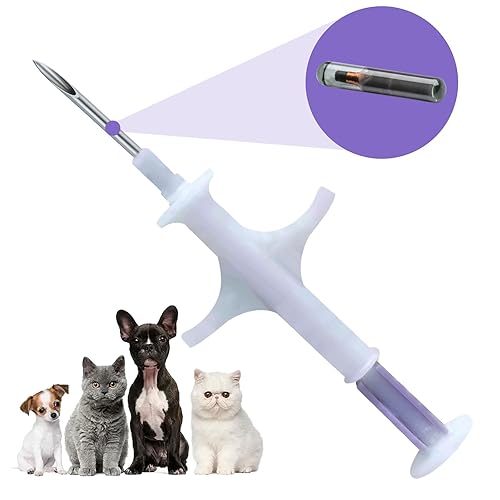


1. Increased Chances of Reunion: The unique identification number in the microchip acts as your cat’s digital fingerprint. If your cat ever goes missing and is found, animal shelters, veterinarians, and rescue organizations can scan for the microchip. This allows them to access the information in the database and quickly reunite you with your beloved feline friend.
2. Avoids Confusion: Cats are curious creatures, prone to wander off and sometimes end up far from home. In these situations, collars and tags can become lost or damaged, leaving your cat without any identification. Unlike collars, microchips are permanent. They cannot be lost or removed, ensuring that your cat always has their identification with them.
3. Proof of Ownership: A microchip with a unique identification number can serve as proof of ownership. In unfortunate cases where your cat is stolen or disputes arise, this identification can be invaluable in establishing that the cat is indeed yours.
4. Multiple Contact Points: Unlike conventional identification methods, such as tags with limited space for contact information, microchips can store multiple contact points. This means you can provide more than one phone number or address, increasing the chances of someone reaching you if your cat is found.
5. Peace of Mind: Knowing that your cat has a unique identification number gives you peace of mind. It’s a simple and effective way to enhance the safety and security of your four-legged family member.
Microchipping and Reuniting Lost Cats
If you’re a cat lover like me, you know how heartbreaking it is when your feline friend goes missing. The worry, the fear, the endless searching… It’s a distressing experience for both you and your beloved furry companion. But there’s hope – microchipping can significantly increase the chances of reuniting lost cats with their owners.
What is microchipping?
Microchipping involves implanting a tiny, rice-sized microchip under your cat’s skin. This microchip contains a unique identification number – like a digital fingerprint – that belongs exclusively to your feline friend. It’s important to note that the procedure is safe, quick, and virtually painless for your kitty. The microchip serves as a permanent form of identification for your cat – unlike collars and tags that can be lost or removed.
How does it help in reuniting lost cats?
When a lost cat is found by someone, they can take it to a veterinarian or animal shelter where they’ll scan for a microchip. If your cat is microchipped (and you’ve kept your contact information up to date), the identification number will reveal who you are and how to reach you. This increases the chances of a happy reunion, as the person who found your cat can quickly and easily get in touch with you.
Not only can microchips store your contact information, but they can also store multiple contact points. This means that even if one phone number or address changes, there are still other ways for someone to reach you. Having these extra contact points significantly improves the odds of reuniting with your lost feline friend.
The importance of microchipping
Microchipping your cat is a small step that can make a big difference. It provides peace of mind, knowing that even if your cat wanders off or gets lost, there’s a higher chance of being reunited. In fact, studies have shown that cats with microchips are more likely to be returned to their owners than those without. It’s a simple, yet effective way to enhance the safety and security of your furry friend.
Conclusion
Microchipping your cat is a simple and effective way to enhance their safety and increase the chances of a reunion if they go missing. By providing a unique identification number, microchips act as a digital fingerprint for your furry friend. Unlike collars and tags, microchips are permanent and cannot be lost or removed. This means that even if your cat loses their collar, their microchip will still provide proof of ownership.
One of the key advantages of microchips is their ability to store multiple contact points. This means that if your cat is found, there are more opportunities for someone to reach out and notify you. The microchipping procedure itself is safe, quick, and virtually painless for your cat. It’s a small investment that can make a big difference in ensuring their safety and your peace of mind.
Remember, microchipping provides a reliable means of identification that increases the chances of a happy reunion if your cat ever goes missing. So, take the necessary steps to microchip your cat and give them the best chance of being reunited with you.
Frequently Asked Questions
Q: What are the benefits of microchipping cats?
A: Microchipping cats has several benefits. It increases the chances of reuniting a lost cat with its owner by providing a unique identification number that acts as a digital fingerprint. Microchips are permanent and cannot be lost or removed like collars and tags. They also allow for multiple contact points, increasing the chances of someone reaching the owner if the cat is found.
Q: How does microchipping work?
A: Microchipping involves inserting a small chip, about the size of a grain of rice, under the cat’s skin. The procedure is safe, quick, and virtually painless for the cat. The microchip contains a unique identification number that can be scanned to reveal the owner’s contact information. This information is essential for reuniting a lost cat with its owner.
Q: Why should I microchip my cat?
A: Microchipping your cat provides peace of mind and enhances their safety and security. It greatly increases the chances of a happy reunion if your cat goes missing. Unlike collars and tags, microchips are permanent and cannot be lost or removed. They also store multiple contact points, giving people more opportunities to reach you if your cat is found. Overall, microchipping is a simple and effective way to protect your feline friend.