
Have you ever dreamed of owning a cat that combines the grace of a wild feline with the charm of a domestic pet? Savannah cats might be just what you’re looking for. These remarkable hybrids bring a touch of the exotic into your home while offering the companionship you desire.

Known for their striking appearance and playful personalities, Savannah cats stand out in any household. You’ll find they are not only beautiful but also intelligent and energetic, making them a unique addition to your family. Whether you’re a first-time cat owner or a seasoned enthusiast, understanding what makes Savannah cats special can help you decide if they’re the right fit for you.
Origin And History
Savannah cats originated in the late 20th century. They are hybrids of domestic cats and servals, a wild African species.
Banks Pet Genetics started breeding Savannah cats in the 1980s. The goal was to combine the serval’s wild traits with the friendly nature of domestic cats.
The first Savannah cats were born in 1986. These initial hybrids featured large ears, long legs, and spotted coats.
Savannah cats are classified into generations from F1 to F7.
| Generation | Serval Ancestry | Domestic Traits |
|---|---|---|
| F1 | 87.5% | 12.5% |
| F2 | 43.75% | 56.25% |
| F3 | 21.875% | 78.125% |
| F4 | 10.938% | 89.0625% |
| F5 | 5.46875% | 94.53125% |
| F6 | 2.734375% | 97.265625% |
| F7 | 1.3671875% | 98.6328125% |
Higher generations have more domestic characteristics, making them better suited as household pets.
In 1996, the International Cat Association (TICA) officially recognized the Savannah breed. This recognition helped standardize breed standards and increase their popularity.
Today, Savannah cats are cherished for their unique appearance and lively personalities. They continue to be a sought-after hybrid breed worldwide.




Physical Characteristics
Savannah cats boast striking features that set them apart from other breeds. Their unique appearance reflects their wild ancestry combined with domestic elegance.
Size And Build
Savannah cats are large and athletic. Adults typically weigh between 12 to 25 pounds. They have long legs and a lean, muscular body. Their height ranges from 10 to 17 inches at the shoulder. This build gives them a graceful yet powerful presence.
Coat And Colors
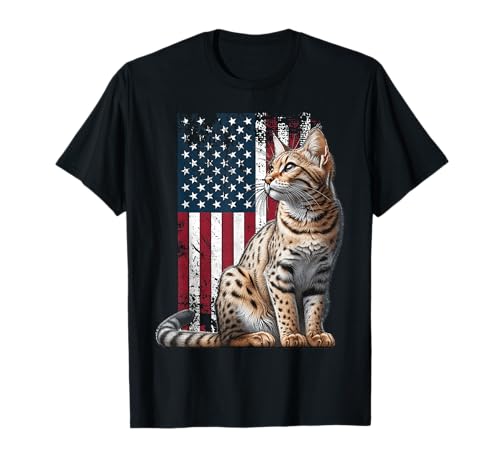
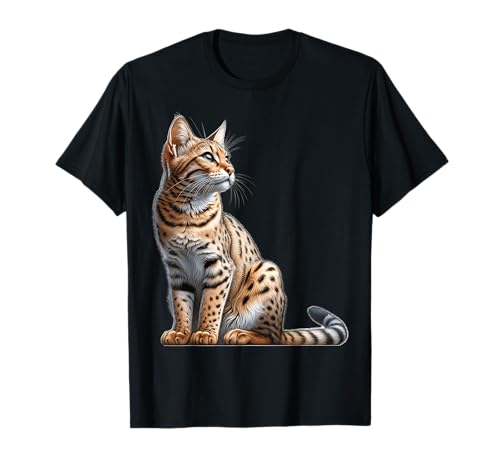
Their coat is short to medium in length and soft to the touch. Savannah cats display a variety of colors and patterns. Common patterns include spotted, marbled, and striped. Colors range from brown and silver to black and blue. The spots can vary in size and shape, adding to each cat’s unique look.
Personality And Temperament
Savannah cats are active and playful. You’ll enjoy their energetic antics daily. They love climbing, jumping, and exploring their surroundings.
These cats form strong bonds with you. They seek attention and participate in family activities. If you want a loyal companion, a Savannah cat is a great choice.
Intelligence defines Savannah cats. You can train them to perform tricks and respond to commands. They thrive on mental stimulation and need interactive toys.
Key Traits
- Energetic: High energy levels require regular exercise.
- Curious: Constantly interested in their environment.
- Affectionate: Enjoys physical contact and cuddling.
- Independent: Can entertain themselves when needed.
Considerations
- Their active nature needs ample space for play.
- They may not suit households with very young children.
Care And Maintenance
Keeping your Savannah cat healthy and happy involves proper care and maintenance. Here’s what you need to know about their diet and grooming needs.
Diet And Nutrition
Feed your Savannah a balanced diet with high-quality proteins. Aim for food that lists meat as the first ingredient. Provide both dry and wet food to ensure hydration and dental health. Adult Savannah cats typically eat 2 cups of dry food and one can of wet food daily, split into two meals. Monitor their weight regularly, as they can be prone to obesity. Consult your vet for specific dietary recommendations based on your cat’s age and activity level.
Grooming Needs
Savannah cats have short to medium-length coats that require regular grooming. Brush them once a week to remove loose fur and reduce shedding. During shedding seasons in spring and fall, increase brushing to twice a week. Check their ears monthly for debris and clean them with a damp cloth as needed. Trim their nails every 2-3 weeks to prevent overgrowth and scratching damage. Regular grooming keeps your Savannah looking sleek and feeling comfortable.
Training And Socialization
Training your Savannah cat builds a strong bond and ensures good behavior. Start early to use their intelligence and eagerness to learn.




Basic Commands
Teach commands like “sit” and “stay.” Use treats to reward good behavior. Keep sessions short, around 5-10 minutes, to hold their attention.
Litter Box Training
Savannah cats adapt quickly to the litter box. Place it in a quiet spot and keep it clean. Clean accidents thoroughly to prevent repeat incidents.
Socializing with People
Introduce your cat to different people early. Meet family members, friends, and strangers calmly. This helps them feel comfortable in various social settings.
Interaction with Other Pets
Introduce other pets slowly and supervise interactions. Savannah cats enjoy playing with other animals. Proper introductions prevent conflicts and keep harmony.
Environmental Enrichment
Provide toys and activities to keep your cat engaged. Use interactive toys, climbing trees, and puzzle feeders. Rotate toys regularly to maintain their interest.
Handling and Grooming
Get your cat used to being handled. Gently brush their coat and trim their nails regularly. Reward them during grooming to make it a positive experience.
Advanced Training
Teach tricks or agility tasks to use their trainability. Use clicker training for effective communication. Advanced training keeps their minds sharp and strengthens your bond.
Health And Lifespan
Savannah cats generally live between 12 to 20 years. Their lifespan depends on their generation, with higher generations often experiencing longer lives due to more domestic traits.
Common Health Issues
While Savannah cats are typically healthy, they can face some health challenges:
- Hypertrophic Cardiomyopathy (HCM): A heart condition where the heart walls thicken.
- Progressive Retinal Atrophy (PRA): A disease that affects the eyes and can lead to blindness.
- Hip Dysplasia: A joint problem that can cause pain and mobility issues.
Preventative Care
To ensure your Savannah cat stays healthy:
- Regular Vet Visits: Schedule check-ups at least twice a year.
- Balanced Diet: Feed high-quality cat food rich in protein.
- Exercise: Provide plenty of opportunities for play and activity.
- Grooming: Brush their coat weekly and keep their nails trimmed.
- Vaccinations: Keep up with all recommended vaccinations to prevent diseases.
Lifespan Factors
Several factors influence how long your Savannah cat will live:
| Factor | Impact on Lifespan |
|---|---|
| Genetics | Affects susceptibility to diseases |
| Diet | Proper nutrition supports health |
| Exercise | Maintains weight and muscle tone |
| Veterinary Care | Early detection of health issues |
By taking good care of your Savannah cat, you can help ensure they live a long, healthy, and happy life.
Conclusion
Bringing a Savannah cat into your home means welcoming a unique and lively companion. Their striking appearance and playful nature can add so much joy and excitement to your life. With the right environment and care you can enjoy a rewarding relationship with these intelligent and affectionate cats. Remember to provide plenty of space for their energy and keep up with their grooming and health needs. Whether you’re a first-time cat owner or a seasoned enthusiast Savannah cats offer a special bond that’s truly one of a kind. If you’re ready for an active and engaging pet a Savannah cat might just be the perfect fit for you


