
I’ve always found it amusing when my cat decides to send my favorite vase tumbling to the floor. It’s one of those mysterious feline behaviors that leaves me both baffled and curious. Why do our graceful companions suddenly become little chaos creators?

After some digging, I discovered that cats knock things over for more reasons than just mischief. Whether it’s exploring their environment, seeking attention, or honing their hunting skills, there’s often a method to the madness. Understanding these motivations can help us address the behavior effectively.
In this article, I’ll share insights into why cats engage in this playful yet frustrating habit and offer practical tips to keep both your belongings and your sanity intact.
Understanding Cat Behavior
I’ve observed several reasons why cats knock things over:
- Exploration: Cats use their paws to investigate objects. For example, they might swipe at a vase to see how it moves.
- Attention-Seeking: If cats feel ignored, they knock over items to get a reaction. It’s their way of saying, “Look at me!”
- Hunting Instincts: Knocking objects mimics catching prey. It helps them practice pouncing and swatting.
- Boredom: Without enough toys or activities, cats entertain themselves by tipping things down.
Understanding these motivations helps me manage and redirect their actions effectively.
Common Reasons Why Cats Knock Things Over
I’ve noticed my cat often tips over objects around the house. Understanding why helps me manage this behavior.
Play And Curiosity
Cats love to explore their environment. Knocking things over satisfies their curiosity. Moving objects helps them learn about their space. It’s their way of playing and staying active.
Attention Seeking
Sometimes, my cat knocks things over to get my attention. If she feels ignored, this behavior shows she wants interaction. It’s her method of saying, “Look at me!”
Hunting Instincts
Knocking items mimics hunting actions. Cats swipe and pounce on objects as if they’re prey. This instinct keeps them sharp and engaged, even indoors.



Consequences Of The Behavior
When my cat knocks things over, several issues arise.
Damage to Belongings
Valuable items like vases, electronics, and decorations often break. This results in unexpected costs and the need to replace cherished objects.
Risk of Injury
Heavy or sharp objects can fall and injure my cat or me. Accidents may lead to medical visits or increased anxiety about household safety.
Increased Cleaning Effort
Frequent messes require more time spent tidying up. This reduces the time I have to relax or engage in other activities.
Stress and Frustration
Repeated disruptions can create a stressful home environment. It makes maintaining a calm and organized space challenging.
Strain on Relationships
If multiple pets are involved, managing their behavior can lead to tension. It also affects my patience and overall enjoyment of having pets.
Potential Property Damage
Knocking over items like plants or bookshelves can cause long-term damage to my home. This may require repairs or renovations to restore the space.
Understanding these consequences helps me take steps to manage my cat’s behavior effectively.
How To Prevent Cats From Knocking Things Over
I know how annoying it is when your cat knocks things over. Here are some effective ways to stop this behavior.
Environmental Enrichment
Creating a stimulating environment keeps your cat busy. I add scratching posts, climbing trees, and interactive toys. These activities satisfy their curiosity and reduce the urge to topple household items.



Providing Alternatives
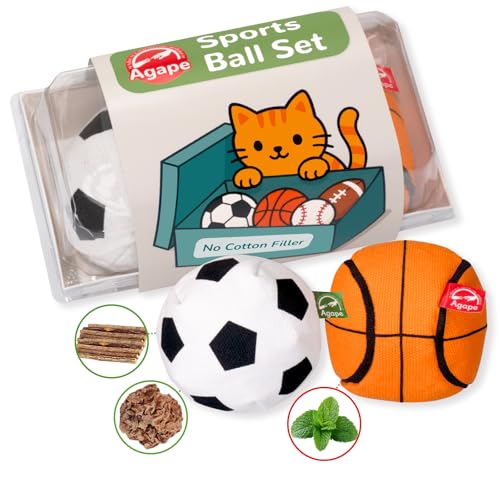
Offering the right alternatives redirects your cat’s behavior. I place sturdy toys and safe objects in areas they like to explore. This gives them appropriate things to play with instead of knocking over fragile items.
Training Techniques
Consistent training helps modify your cat’s actions. I use positive reinforcement by rewarding my cat when they play with their toys. Ignoring unwanted behavior and avoiding punishment keeps the training effective and stress-free.
Tools And Products To Help
Using the right tools can reduce your cat’s tendency to knock things over. Here are some effective products:
- Interactive Toys
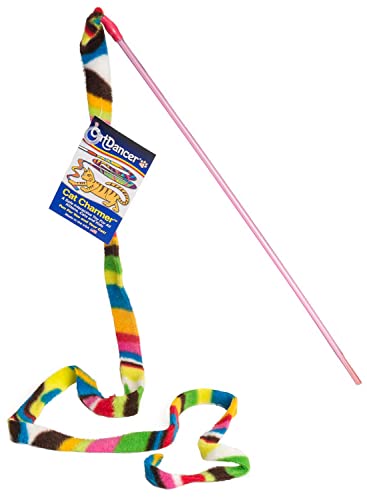
- Keep cats engaged with toys like laser pointers, feather wands, and puzzle feeders. These stimulate their hunting instincts and reduce boredom-driven behavior.
- Cat Trees and Scratching Posts
- Provide vertical spaces with cat trees and scratching posts. Cats can climb and scratch without targeting your furniture or valuables.
- Deterrent Sprays and Mats
- Apply safe deterrent sprays to areas you want to protect. Use motion-activated mats to discourage cats from approaching fragile items.
- Furniture Anchors
- Secure heavy objects with furniture anchors. Prevent items like lamps and picture frames from tipping over easily.
- Safe Storage Solutions
- Store breakable items in cabinets or shelves out of your cat’s reach. Use closed storage to minimize access to tempting objects.
- Automatic Toys
- Invest in battery-operated toys that move unpredictably. These keep cats active and reduce their need to interact with household items.
- Training Aids
- Use clickers or treat dispensers for positive reinforcement. Reward your cat for using their designated play areas instead of knocking things over.
Implementing these tools creates a safer environment for both your cat and your belongings. Choose products that fit your home and your cat’s personality to achieve the best results.
When To Seek Professional Help
If my cat keeps knocking things over despite my efforts, it might be time to get professional help.
First, I visit a veterinarian. Health issues like hyperthyroidism or pain can cause this behavior. A vet can check for medical problems.
Next, I consider an animal behaviorist. They help if my cat’s actions come from anxiety or stress. They provide strategies tailored to my cat’s needs.
If training at home isn’t enough, a certified cat trainer can assist. They use positive reinforcement to encourage good behavior and reduce unwanted actions.
Lastly, if I have multiple pets and the behavior spreads, a professional can assess the household dynamics. They offer solutions to keep all my pets happy and well-behaved.
Seeking professional help ensures my cat gets the support she needs to stop knocking things over and stay happy.
Conclusion
Dealing with a playful cat knocking things over can be challenging but understanding their reasons makes it easier. Creating a stimulating environment helps keep their curiosity satisfied and reduces unwanted behavior. I’ve found that providing interactive toys and safe alternatives really makes a difference.
Consistency is key when training your cat to adopt better habits. Rewarding positive actions encourages them to repeat those behaviors while gently discouraging the rest. It’s all about finding what works best for your furry friend and your home.
If things don’t improve, reaching out to a professional can offer new solutions and peace of mind. Watching your cat thrive in a happy and harmonious space is totally worth the effort. Together we can create a safe and joyful home for our beloved companions.